The evolution of gambling tracing its roots through history
The Origins of Gambling
The history of gambling can be traced back to ancient civilizations, where evidence suggests that various forms of betting and wagering were prevalent. Archaeological findings in China date back to around 2300 B.C. that include rudimentary dice, indicating that chance-based games were already enjoyed by that time. Similarly, ancient Egyptians are known to have engaged in gambling activities, as seen in their hieroglyphs and artifacts, which often depicted dice and other gaming implements. This early participation in gambling illustrates humanity’s long-standing attraction to the thrill of chance. For a modern take on this phenomenon, visit https://lolajack-ca.org/.

As cultures evolved, so did their gambling practices. The Greeks and Romans incorporated gambling into their daily lives, with games often played at public festivals and gatherings. The Greeks introduced various betting games, while the Romans created elaborate betting systems for gladiatorial contests and chariot races. Gambling during this period was not merely a pastime; it served as a means for social interaction and community bonding. The historical significance of gambling in these societies highlights its role in shaping human interactions and leisure activities.
The emergence of gambling laws in different regions also reveals much about societal attitudes towards gambling. For instance, in ancient Rome, laws were enacted to regulate gambling and protect the public from potential harm. Such regulations reflected the duality of gambling as both a cherished pastime and a potential source of social issues. This complex relationship established a foundation for the ongoing dialogue around gambling that continues to this day, revealing how society navigates the balance between enjoyment and responsibility.
The Middle Ages and the Rise of Casinos
The Middle Ages saw a significant transformation in gambling practices, particularly with the establishment of more formalized gaming establishments. The 17th century marked the inception of the first official casinos in Europe, starting in Italy. These venues offered a variety of games, such as baccarat and faro, catering to the burgeoning upper class who sought entertainment and social prestige. Casinos quickly became synonymous with luxury and opulence, attracting wealthy patrons from across the continent, and laying the groundwork for the modern gambling industry.
During this time, gambling also became intertwined with literature and culture. Renowned writers like Shakespeare and Cervantes referenced games of chance in their works, demonstrating how deeply embedded gambling was in the social fabric of the era. This period also witnessed the first instances of gambling houses, which would serve as precursors to today’s casinos. The increasing popularity of these establishments prompted more sophisticated regulations and a greater emphasis on fairness, which ultimately shaped the modern casino landscape.
The Enlightenment era further advanced the evolution of gambling by introducing mathematical theories that influenced game design and probability. Figures like Blaise Pascal contributed to the development of games that relied on mathematical principles, establishing a more systematic approach to gambling. This era of intellectual exploration not only refined the games played but also set the stage for the analytical mindset that would characterize modern gambling strategies, combining both luck and skill in an engaging framework.
The Industrial Revolution and Modernization of Gambling
The Industrial Revolution brought forth unprecedented changes in society, including the expansion of gambling opportunities. With urbanization and an increase in leisure time, betting became a popular form of entertainment among the working and middle classes. The invention of mechanical slot machines in the late 19th century transformed the gambling landscape, making it more accessible to the general public. These innovations allowed for new gaming experiences that were easy to play and required no prior knowledge, thus opening up gambling to a wider audience.
The proliferation of horse racing also fueled the growth of gambling during this period. Betting on races became a widely accepted practice, and organizations began to establish formal regulatory frameworks to ensure fair play and protect bettors. The emergence of lotteries as a legal form of gambling further legitimized the activity, with governments using the funds raised for public projects and social programs. This evolution reflects the adaptability of gambling practices in response to societal changes and the increasing desire for regulated gaming environments.
By the early 20th century, gambling had firmly established itself as a legitimate form of entertainment in many parts of the world. The development of state-run lotteries and the legalization of casino operations in various jurisdictions demonstrated a shift in public perception towards gambling as a regulated and economically beneficial activity. This laid the groundwork for contemporary gambling practices, where regulation and responsible gaming are prioritized, ensuring player safety while providing entertainment.
The Digital Age and Online Gambling
The advent of the internet revolutionized the gambling industry in the late 20th century, creating an entirely new realm for gaming. Online casinos and platforms emerged, offering players the convenience of gambling from the comfort of their own homes. This shift not only made gambling more accessible but also introduced innovative gaming experiences that traditional casinos could not replicate. With thousands of games available at the click of a button, online gambling rapidly gained popularity across various demographics.
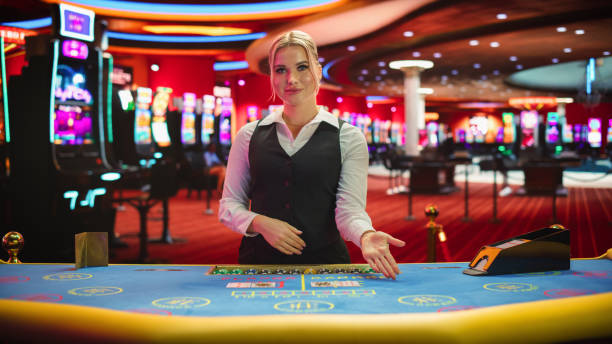
The rise of mobile technology further accelerated the evolution of gambling. Smartphones and tablets allowed players to engage in gambling activities anytime, anywhere, significantly expanding the market. Live dealer games, which offer real-time interactions with dealers via video streaming, have become immensely popular, bridging the gap between online and in-person experiences. These advancements illustrate how technology has reshaped the gambling landscape, making it more dynamic and interactive than ever before.
However, with the growth of online gambling came new challenges. Issues such as responsible gaming, addiction, and regulation became increasingly important. The industry has since adopted various measures to promote responsible gambling, including player protection tools and self-exclusion options. As online gambling continues to evolve, the focus on player safety and ethical practices will play a crucial role in shaping the future of the industry.
Exploring Opportunities at LolaJack Casino
LolaJack Casino represents a contemporary embodiment of the gambling evolution, specifically tailored for Canadian players. With an extensive selection of over 4,000 games, players can indulge in a wide variety of options, from classic slots to engaging live dealer experiences. The commitment to providing an exhilarating gaming environment is evident in the range of offerings that appeal to both new and seasoned players alike, making it a standout destination in the online gambling landscape.
The casino places a strong emphasis on player safety and satisfaction, ensuring that all gaming experiences are enjoyable and secure. With fast deposits and reliable customer support available around the clock, LolaJack Casino is dedicated to creating a seamless user experience. Furthermore, new players can take advantage of generous welcome bonuses, including up to 400% on their initial deposits, making it an enticing option for those looking to explore the exciting world of online gambling.
As the industry continues to grow and evolve, LolaJack Casino remains committed to fostering responsible gambling practices. By prioritizing player well-being and ensuring a safe gaming environment, it reflects the ongoing evolution of gambling from a historical pastime to a modern, regulated industry. Players are invited to explore exceptional gaming opportunities and exclusive promotions, ensuring that their gambling experience is both thrilling and responsible.