The Role of Space and Layout in Casino Design
The physical layout of a casino plays a crucial role in influencing player behavior and engagement. Casinos are designed to create an inviting atmosphere that encourages visitors to explore and stay longer. The arrangement of gaming tables, slot machines, and other attractions is intentional, guiding guests through a labyrinth of entertainment where they often lose track of time. This strategy is not just about aesthetics; it is rooted in psychological principles that optimize the flow of foot traffic and enhance the gaming experience. For instance, the placement of popular games is strategically chosen to draw players deeper into the venue, where they can find options like casino uk fast withdrawal services that create a sense of adventure.
Many casinos incorporate an open floor plan, minimizing barriers between different areas to facilitate easy movement. By using strategic placements of high-value games at the center and lower-stakes games toward the edges, casinos can entice players to interact with various gaming options. This design leverages the psychological principle of curiosity, drawing players into areas they might not have initially considered, and potentially leading them to gamble more than they had planned. The visual appeal of brightly colored machines and the excitement of the gaming atmosphere create a compelling environment that encourages prolonged engagement.
Furthermore, casinos often utilize circular or winding pathways that encourage exploration, making it difficult for players to locate exits. This deliberate disorientation is a psychological tactic to keep players engaged, as they may feel compelled to stay and discover what lies around the next corner. Ultimately, the layout is meticulously crafted to create an immersive environment that blurs the lines between reality and the casino world, reinforcing the notion that players are in a space designed for entertainment and excitement.
The Impact of Lighting and Sound
Lighting and sound play pivotal roles in shaping the casino experience, influencing mood and emotional responses among visitors. Most casinos utilize a combination of bright and ambient lighting to create a vibrant atmosphere that captures attention. Bright lights are often reserved for slot machines, while softer lighting is used in areas for dining or socializing. This contrast promotes an exhilarating yet comfortable environment, reinforcing the feeling of excitement that gambling often evokes. The strategic use of lighting not only highlights the games but also creates an enchanting ambiance that makes the environment feel alive.
Sound design is equally important, as the sounds of rolling dice, ringing slot machines, and cheering players create an auditory backdrop that enhances the gaming experience. Casinos often use specific sound frequencies to heighten excitement and anticipation. For example, the jingle of a slot machine winning reinforces positive emotions, encouraging continued play while drowning out any negative experiences. This sensory experience is a deliberate design choice aimed at maximizing engagement and prolonging player interaction. The combination of joyful sounds and vibrant visuals creates a euphoric atmosphere that lures players into a state of heightened anticipation.
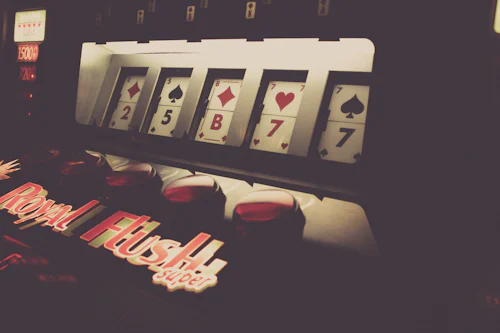
Moreover, the absence of natural light in many casinos serves to further disorient players. By controlling the lighting, casinos can manipulate the perception of time, making it easier for players to lose track of how long they have been gambling. The combination of strategic lighting and sound creates an immersive environment where players feel energized yet unaware of the hours passing by, increasing the likelihood of extended gameplay. This controlled environment is designed to keep players enthralled, reinforcing the casino’s goal of maximizing engagement and time spent within its walls.
Color Psychology in Casino Design
The use of color in casino design is a powerful tool that taps into the psychology of human emotions and behaviors. Different colors evoke specific feelings and responses, and casinos are strategically designed to harness this effect. For instance, red is commonly used to create a sense of excitement and urgency, motivating players to take risks. This color is prevalent in many slot machines and promotional materials, triggering an instinctual desire to engage in gambling activities. The psychological impact of color is significant, as it can drive players to a more impulsive decision-making process.
Blue and green hues, on the other hand, are often incorporated to promote a calming effect, providing players with a sense of balance amidst the high-energy environment. These colors can be found in lounges or relaxation areas, allowing guests to recharge before resuming play. By mixing energizing colors with calming ones, casinos are able to create an environment that maintains a delicate balance between excitement and relaxation, drawing players in for longer sessions. This careful consideration of color schemes can significantly influence overall player satisfaction and their willingness to return.
In addition to individual colors, the overall color scheme of a casino is carefully crafted to convey a particular atmosphere. For example, a luxurious venue may utilize gold and silver accents to evoke feelings of wealth and sophistication. This not only attracts a high-end clientele but also influences their behavior, encouraging them to spend more freely. Understanding the nuances of color psychology allows casinos to create spaces that stimulate spending while enhancing the overall gaming experience, further solidifying their brand identity and appeal to a diverse range of players.
The Psychological Effects of Rewards and Incentives
Casinos make extensive use of rewards systems to entice players and encourage repeat visits. This approach leverages the psychological principle of operant conditioning, where behavior is shaped by the consequences that follow. By offering immediate rewards, such as complimentary drinks or bonuses for frequent play, casinos reinforce positive behavior and increase the likelihood of continued gambling. This concept is evident in loyalty programs that reward players based on their betting habits, creating a sense of value and appreciation for their patronage.

Moreover, the structure of the games themselves is designed to provide a sense of reward, even when players do not win. Many machines are programmed to offer small payouts frequently, creating a “near-miss” effect that encourages players to keep playing. This phenomenon taps into the psychology of hope and reinforcement, as players feel they are close to winning and are motivated to continue their gameplay. The anticipation of a potential win activates the brain’s reward centers, further solidifying the connection between gambling and emotional gratification, which can lead to longer play sessions.
In addition to psychological rewards, casinos often set up promotional events. These events are designed to create excitement and encourage social interaction among players, fostering a community feel that enhances the overall experience. The combination of psychological incentives and social engagement creates an environment where players feel valued, increasing their likelihood of returning, and thus contributing to the casino’s long-term success. By cultivating a sense of belonging and community, casinos can enhance player loyalty and satisfaction, ensuring a steady flow of visitors eager to participate in the excitement.
Understanding Casino Websites and Their Design Psychology
The design of casino websites mirrors many of the principles seen in physical locations, aiming to create an engaging and user-friendly experience. Just as layout plays a critical role in traditional casinos, the online space must be intuitive and visually appealing to attract users. A well-structured website enhances navigation, allowing players to easily find games and promotions. This ease of access is essential, as it mirrors the physical experience of walking through a casino floor, making users feel comfortable and in control of their gaming experience.
Color schemes, graphics, and imagery are carefully chosen to resonate with the emotional states of potential players. Bright visuals and active animations can replicate the excitement found in a physical casino, ensuring that users feel a sense of engagement from the moment they enter the site. Moreover, strategic placement of game categories and promotions on the homepage can guide users toward specific actions, leveraging psychological triggers to prompt play. This attention to detail is crucial for keeping users interested and encouraging them to explore further.
Furthermore, online casinos often incorporate gamification elements, such as rewards and achievement badges, to enhance player motivation. This not only encourages frequent visits but also fosters a sense of community among players. By understanding the psychological nuances of website design, online casinos can mirror the successful strategies of their brick-and-mortar counterparts, creating an engaging digital environment that captures the thrill of gambling from the comfort of home. This digital transition allows casinos to broaden their reach and cater to a diverse audience, making the gaming experience accessible and enjoyable for all.